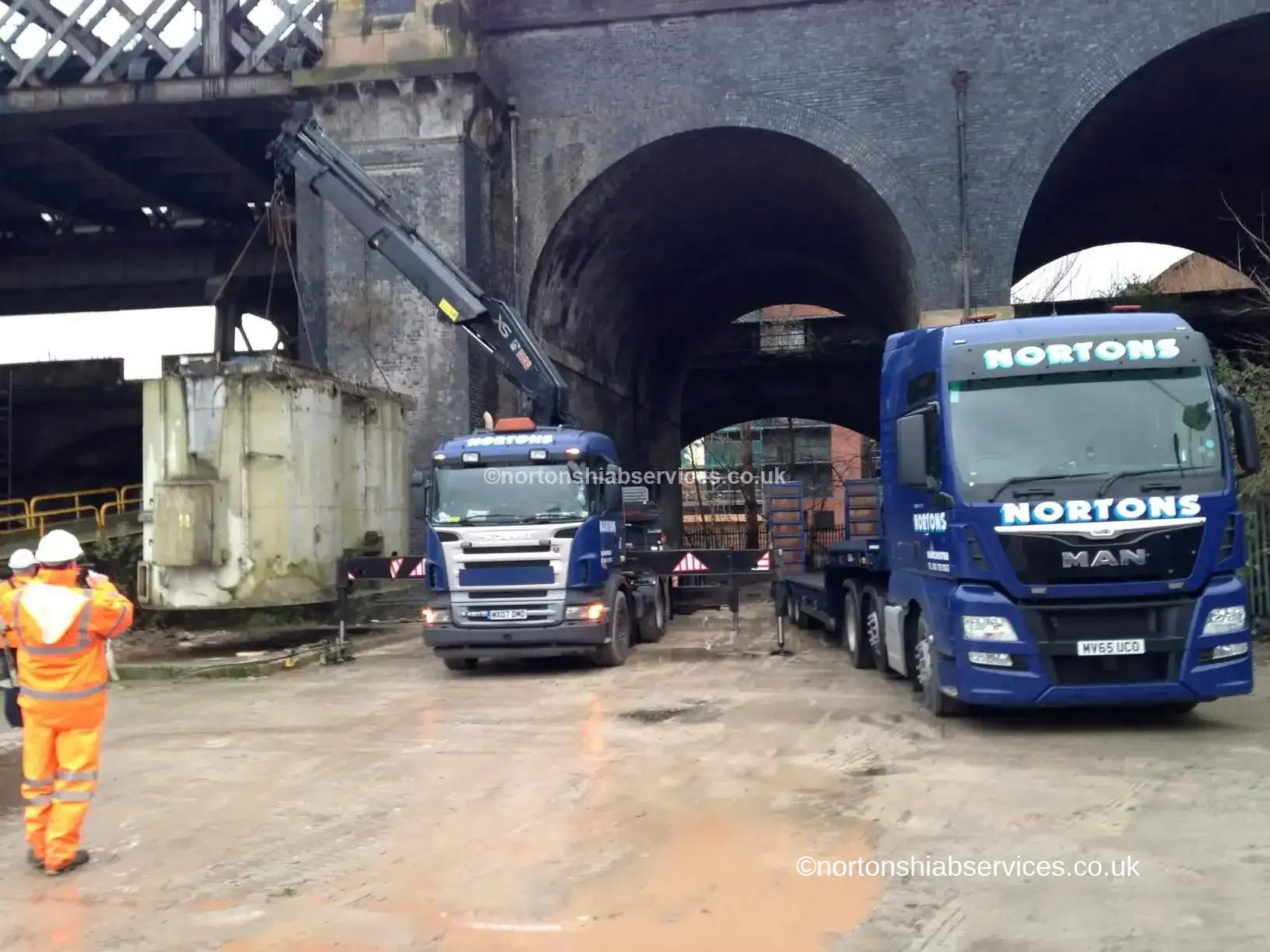
Loaded by crane, not by ramp
A hopper, tank or static unit has no wheels and no engine. The hiab picks it up and puts it on the deck.
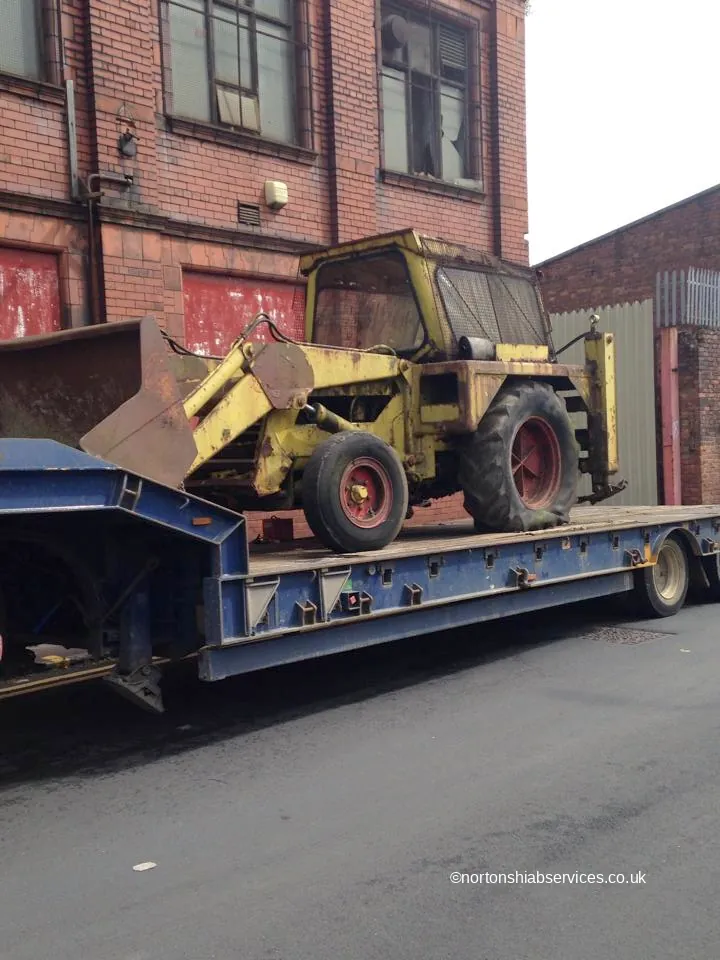
For plant that is too tall for a flatbed or will not climb a steep ramp. Loaded by ramp or lifted on by our own hiab, and chained down to the machine’s own lashing points.
A low loader has a dropped deck between the neck and the axles, so the load sits lower than it would on a flatbed. That extra clearance is what keeps a tall machine inside the legal travelling height and under the bridges on the route.
The second reason is the loading angle. A dropped deck gives a shallower ramp, so a long-wheelbase or low-clearance machine can drive on without grounding out on the transition.
Where it is not the right answer we will say so. If the machine is short enough to travel on a flatbed and light enough for the crane, a hiab flatbed is generally quicker to load and cheaper to run.
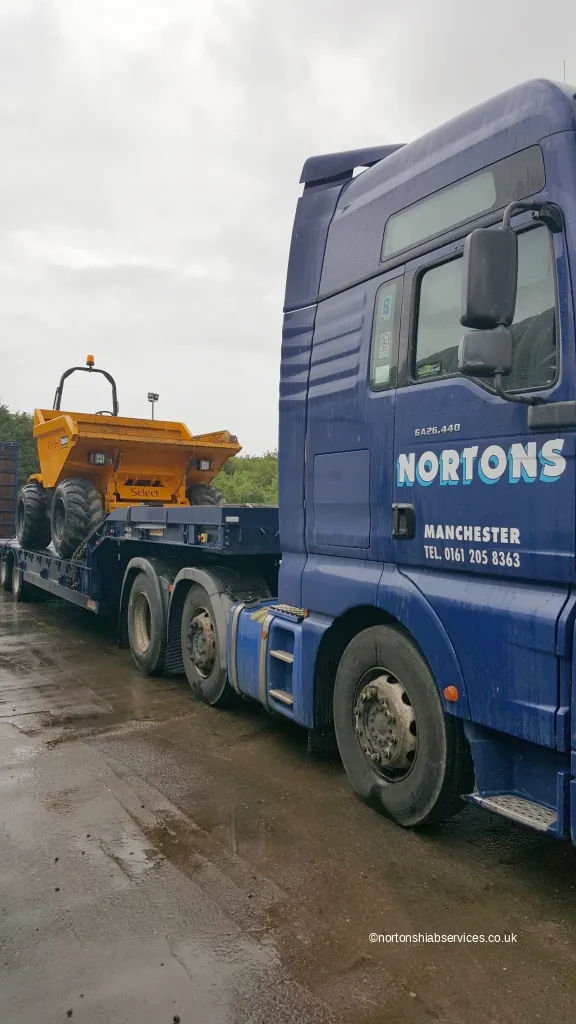
A hopper, tank or static unit has no wheels and no engine. The hiab picks it up and puts it on the deck.
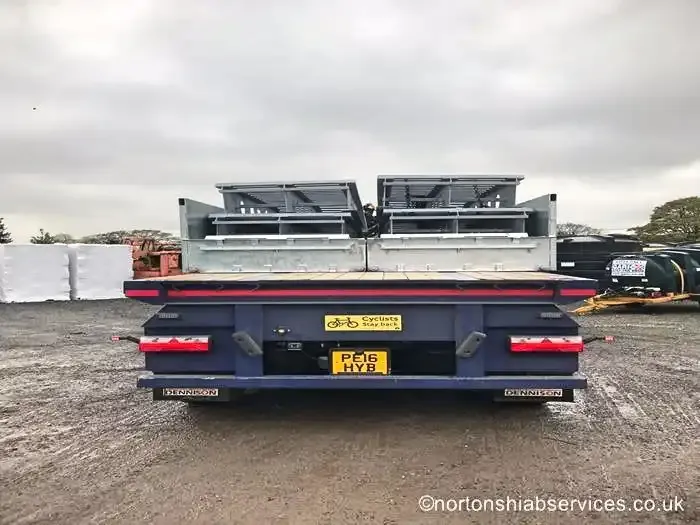
Galvanised steelwork squared off on the low deck before a strap goes near it. Height is bought back by the deck, not by taking the load apart.
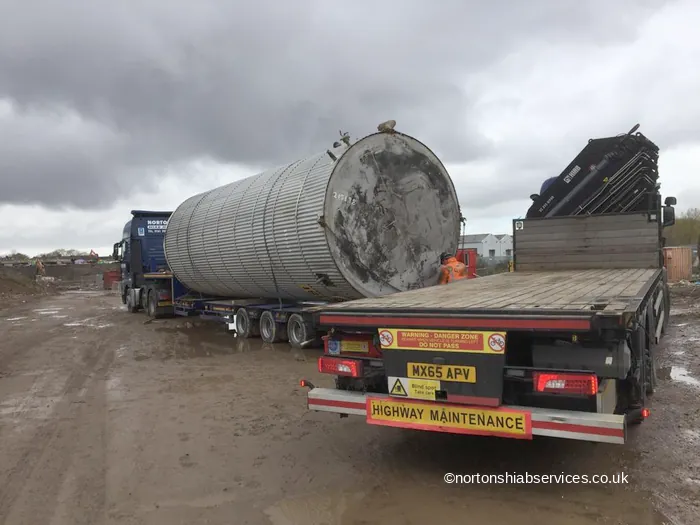
A vessel does not care how it was lifted, only how it travels. Lower on the deck means a route rather than a bridge-by-bridge negotiation.
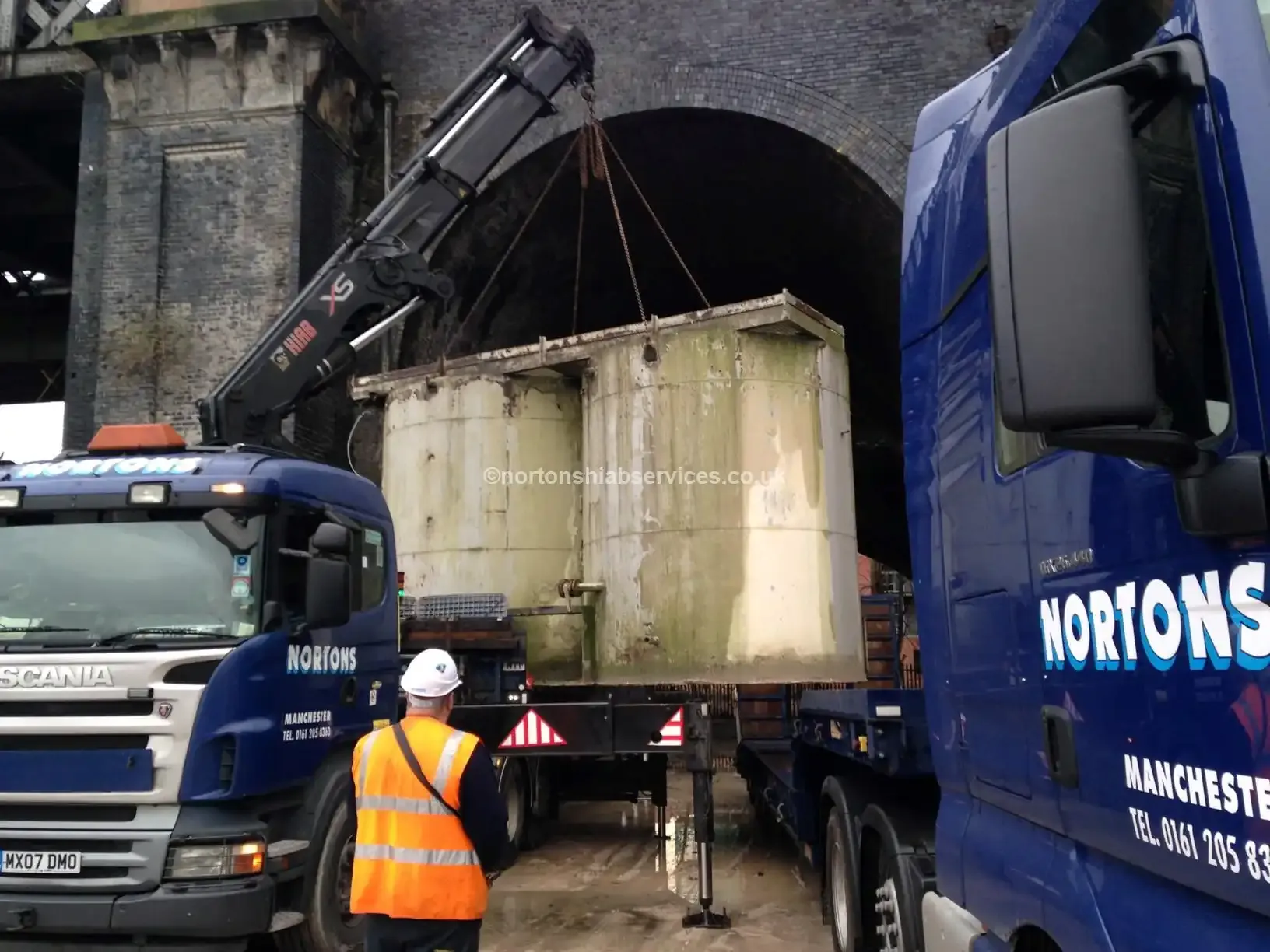
Secured to the manufacturer’s lashing points, not wherever a chain happens to reach.
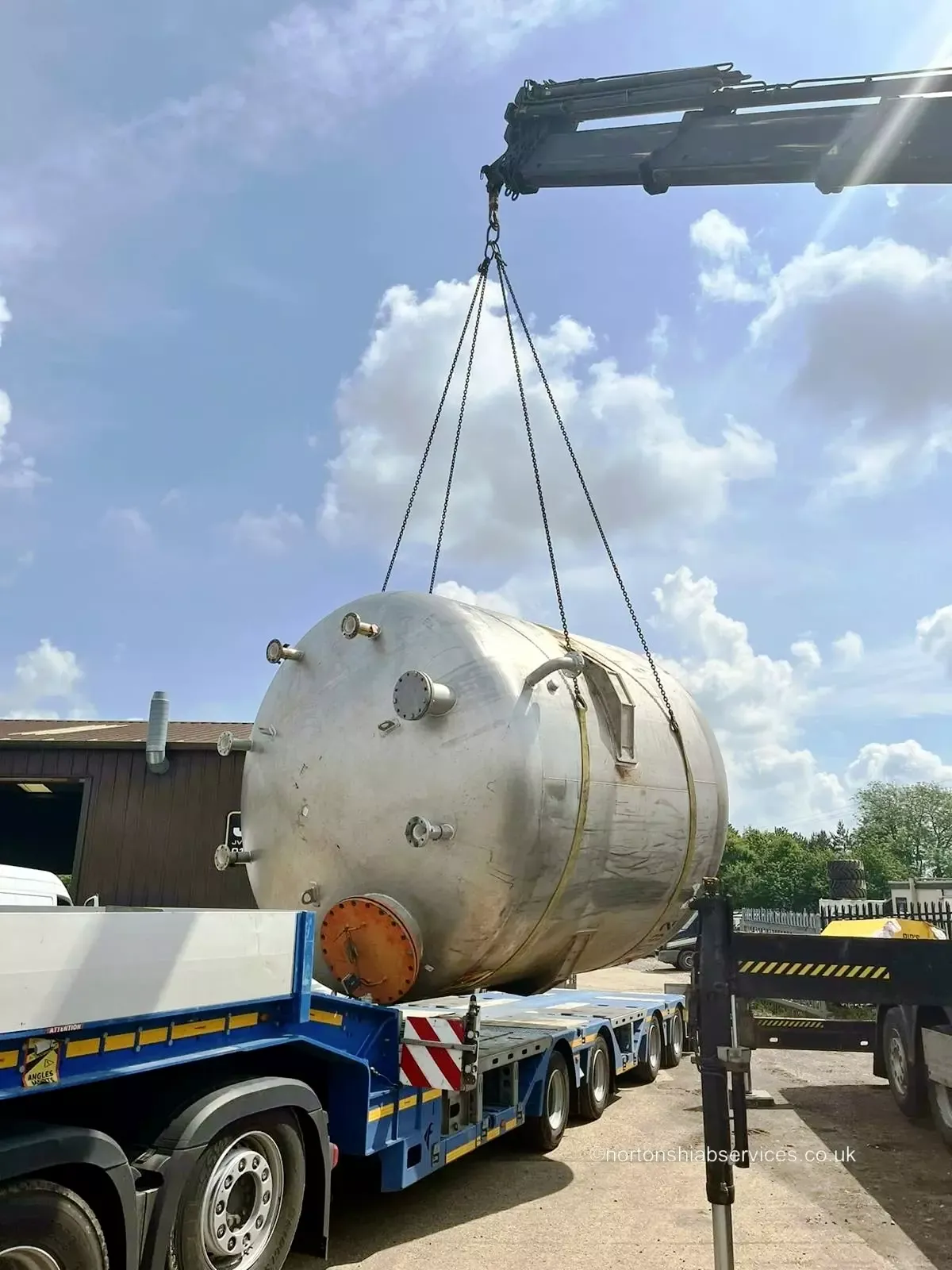
Cylindrical loads cradled and chained rather than slung and hoped for.
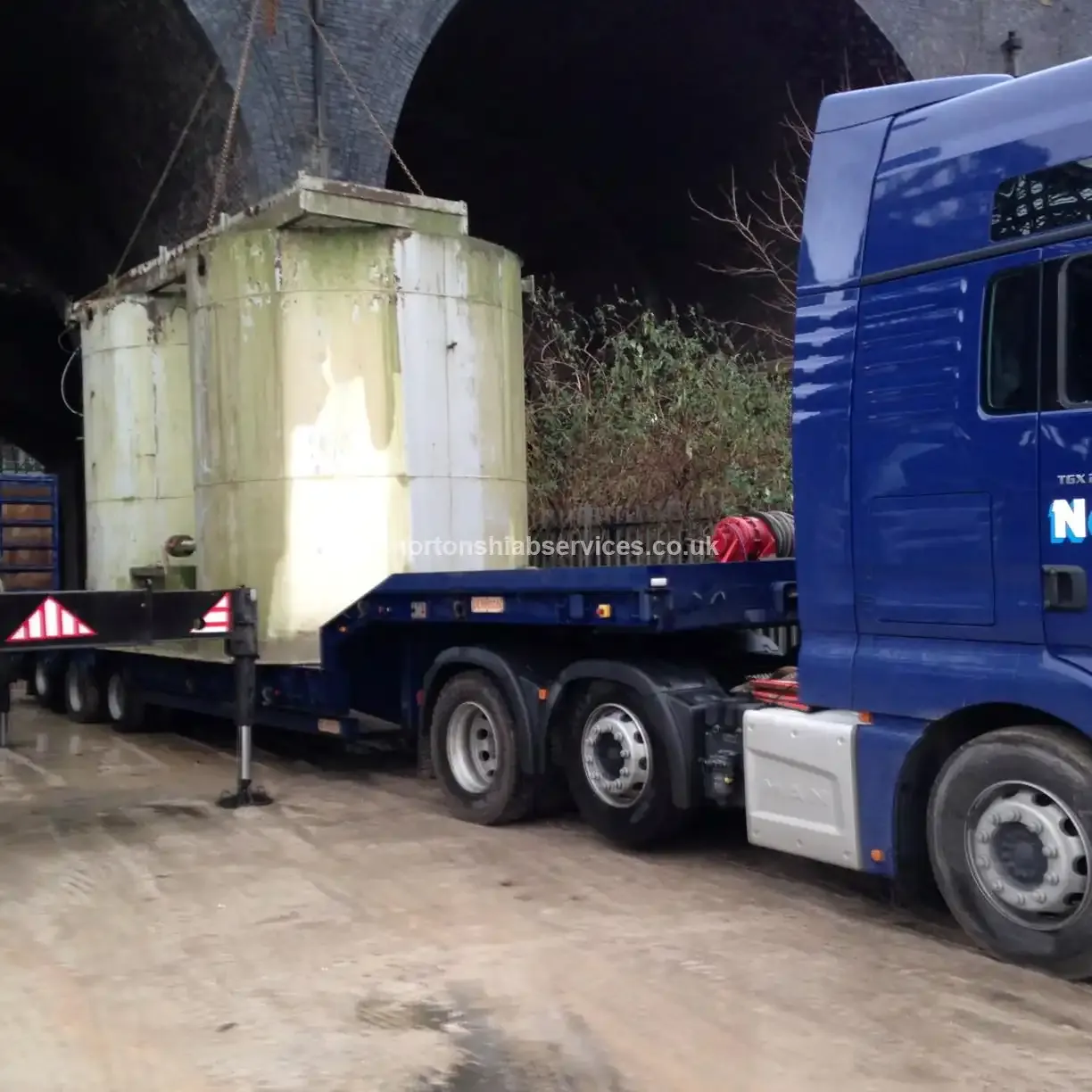
The dropped deck is what keeps a tall load legal and under the bridges on the route.
Abnormal loads and escorts · Plant and machinery transport · What the crane lifts, at radius
Height, mostly. A low loader has a dropped deck, so a tall machine sits lower and stays inside the legal travelling height. It also gives you a shallower loading angle, which matters for anything with low ground clearance or a long wheelbase. If the machine is short and inside the crane chart, a hiab flatbed is usually quicker and cheaper.
Either it drives on up the ramps, or our hiab lifts it on. Being able to do both is the useful part: a machine that will not start, or has no operator on site, still gets loaded.
We give you the deck length, deck height and rated capacity for your specific load rather than a headline figure, because what decides it is whether your machine travels legally on that deck, not what the trailer could carry in theory. Tell us the make and model and we will confirm it against the machine data and the trailer plate before anything is booked.
Yes, where it applies. Our transport team arranges nationwide movement orders for wide loads as required, we carry out route studies, liaise with the police and local authorities where a movement needs it, and we run our own escort vehicles rather than waiting for someone else's.
Yes. Tracked plant travels on the low loader with the tracks cleaned and the machine chained down to the manufacturer's lashing points. Tell us the make and model and we will confirm the weight and the travelling height from the machine data rather than from an estimate.
Tell us the machine, where it is now and where it needs to be. We will confirm the trailer and the route.





ALLMI trained driver / operators · RAMS, method statements and lift plans · Euro VI clean air zone compliant fleet, renewed by continual investment in new wagons · All our accreditations