Back loads: the cheapest space on the road
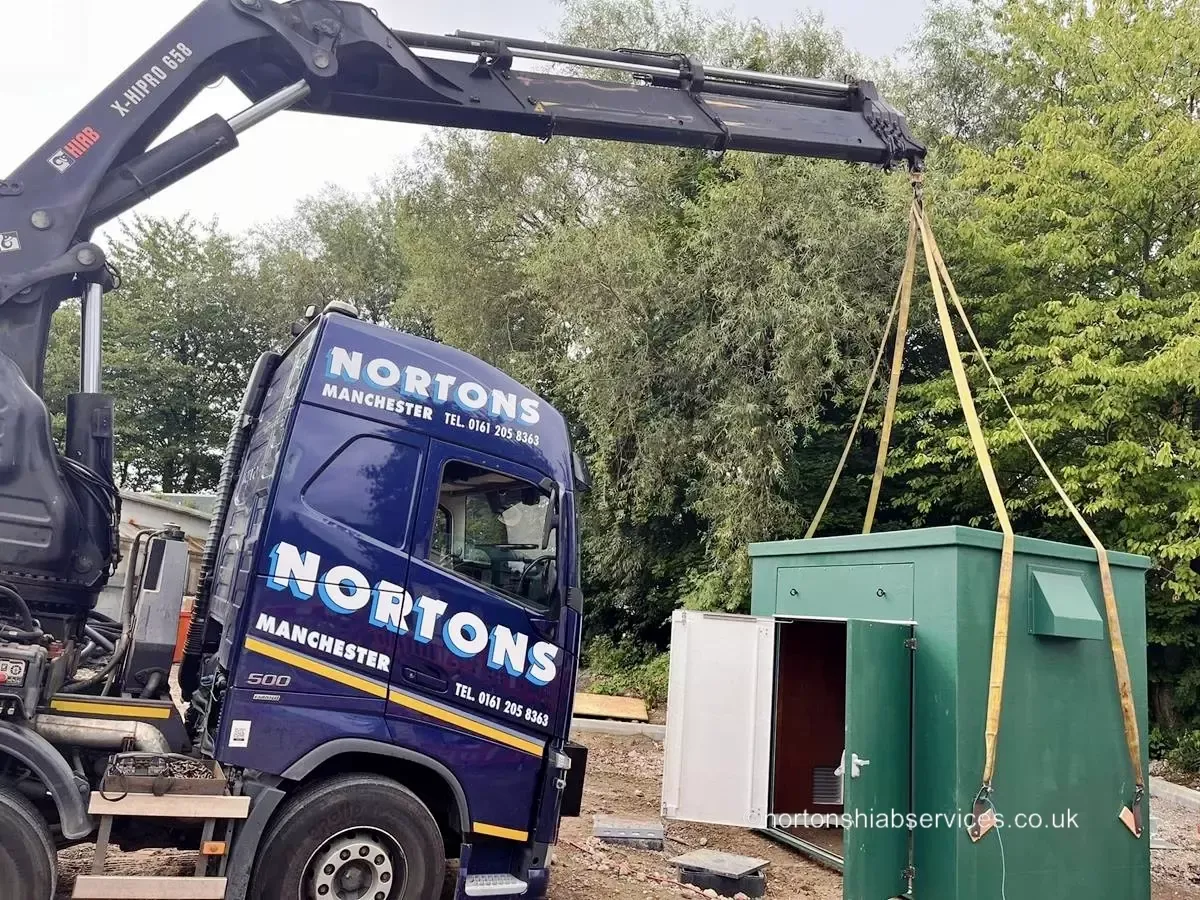
Space on a lorry that is already coming back to Manchester, on a vehicle that carries its own crane at both ends.
Space on a lorry that is already going your way
A backload is space on a lorry that has finished a job away from home and is coming back to Manchester empty. The journey is already happening and already paid for, so the load is priced on the difference between running empty and running loaded — which is a much smaller number than a dedicated trip.
Every load we deliver ends with a lorry somewhere it does not live. A fleet of wagons working across mainland UK produces a great deal of empty running, and none of it earns anything for anybody.
The trade is simple and it is worth stating plainly: you give up certainty of date. A dedicated lorry goes when you say. A backload goes when one of ours is finishing near you and heading in the right direction. If your load has to be somewhere by Friday, this is not the way to move it, and we will tell you so.
Backload or dedicated journey
| Back load | Dedicated journey | |
|---|---|---|
| What you are buying | Space on a journey that is already happening | The whole movement, out and back |
| Date | When a vehicle is passing | The day you choose |
| Cost | Substantially lower | Full movement |
| Best for | Loads with flexible timing | Site deliveries and fixed programmes |
| Crane at each end | On the vehicle either way | On the vehicle either way |
| Notice needed | The more warning the better the chance | A few days is usually enough |
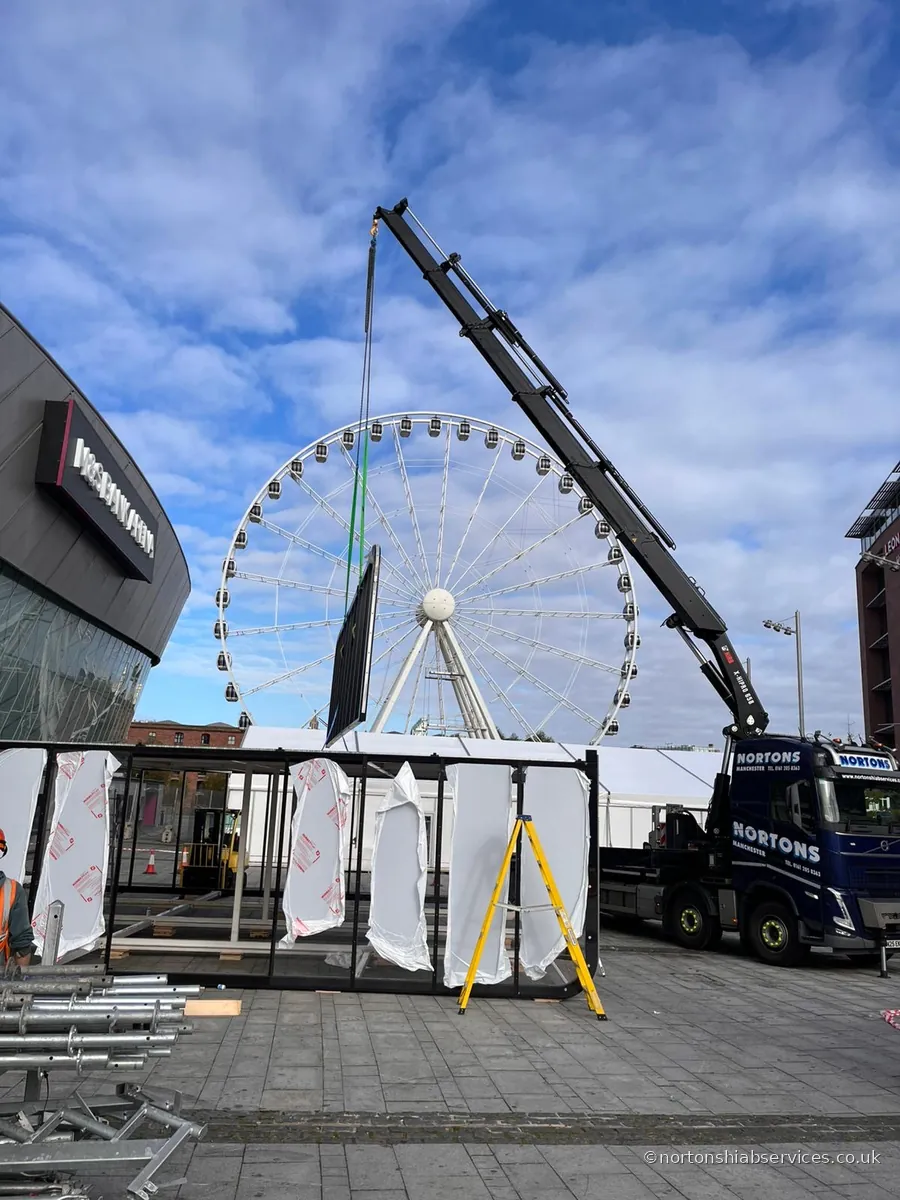
The crane row matters more than it looks. Most return-load brokerage is on curtainsiders and flats with no lifting equipment, so you need a forklift at both ends or the saving evaporates. Our hiab lorries carry their own crane, so a backload to a farm, a yard or a site with nothing on it is still a straightforward job.
Loads that suit a return journey
- Containers and portable cabins. The most common by a distance, and the crane makes them easy at both ends.
- Plant and machinery. Particularly items that cannot be driven and would otherwise need a machine at each end.
- Steelwork, fabrications and structures. Where the delivery date has some give in it.
- Packaged goods and palletised material going somewhere a pallet network will not sensibly reach.
- Anything being collected rather than delivered. A collection on the way home is the purest form of this.
And what does not: anything on a fixed programme, anything with a penalty attached to the date, and anything a site is standing waiting for.
Where our vehicles come back from
The regular runs are the M6 corridor to the West Midlands and the South West, the M1 and A1 to Yorkshire, the North East and London, and the M74 into Scotland. Anywhere we work, we come back through — and the whole of mainland UK is worked.
Every return load we have carried since 2015
331 return loads, twelve years, reproduced exactly as they were posted at the time. Date and journey, nothing reworded. Each year has its own page, and each one explains the service in its own words.
How to be told when one is passing
Tell us what and where
What the load is, roughly what it weighs, the collection postcode and the delivery postcode.
Tell us how flexible the date is
This is the part that decides everything. “Any time in the next month” gets a very different answer from “the week of the 12th”.
We come back when something fits
Sometimes the same day. Sometimes a fortnight. If nothing is going to fit we will say so rather than leave you waiting.
More on how backloads work · Regular and contract work · UK nationwide delivery
Back loads and return journeys
What is a backload?
It is the space on a lorry that has finished a job away from home and is returning to its depot. The journey is happening anyway, so carrying something on it costs a great deal less than sending a vehicle out specifically. The trade-off is that you take the date the lorry is going rather than the date you would choose.
How much cheaper is a return load?
Enough to be worth waiting for, on most routes. We do not publish a figure because it depends entirely on where the vehicle already is, how far your load takes it off that route and what else is on the deck. Send us the details and we will price the actual movement.
How much notice do I need to give?
The opposite of the usual answer — the more flexible your dates, the better a backload works. Tell us what you have and where it is going and we will offer it when something is passing. If it has to move by a particular day, a dedicated journey is the honest recommendation.
What can travel as a backload?
Containers, portable cabins, plant, packaged goods, steelwork, pallets and most things that will sit on a flat bed. Because every one of our vehicles carries its own crane, a backload does not require you to have a forklift or a crane at either end, which is usually what rules the idea out on a general haulage lorry.
Where do your lorries come back from?
Everywhere in mainland UK. The regular runs are the M6 corridor to the West Midlands and the South West, the M1 and A1 to Yorkshire, the North East and London, and the M74 into Scotland. Anywhere our vehicles work, they come back through.
Do you carry backloads for other hauliers?
Yes, and a good proportion of the work is for other transport companies who need a crane at one end and do not have one. It is a straightforward arrangement and we are used to it.
What are UK backloads?
A backload is space on a lorry that is already making a journey and would otherwise run empty. Back loads UK wide, UK backloads and haulage backloads all mean the same thing: you pay for a seat on a trip that is happening anyway rather than for a lorry dedicated to your load, and in exchange you give up certainty about the exact day.
What makes your back loads different from a load-matching board?
Every vehicle carries its own crane. Most UK backloads are moved by flatbeds, so both ends of the journey need a forklift or a telehandler to get the load on and off. Ours lift it themselves, which is why our back loads work for things a normal backload cannot take.
Something to move, and time to wait
Tell us what it is, where it is going and how flexible the date is. If a lorry is passing, you will get the cheapest space on the road.