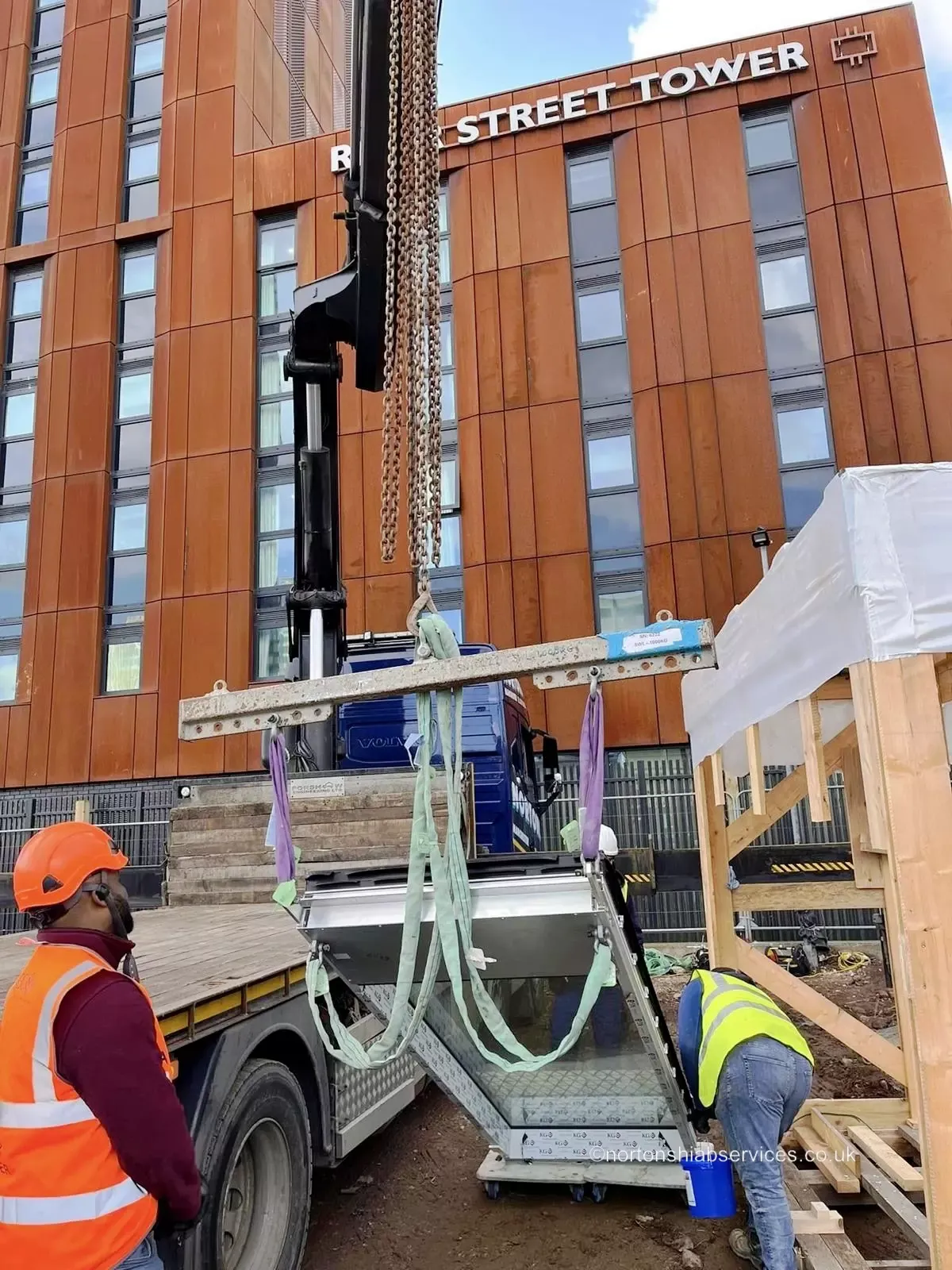
We have turned down jobs with a 400 kg load and taken jobs at eight tonnes on the same day. The difference was never the weight.
The four measurements
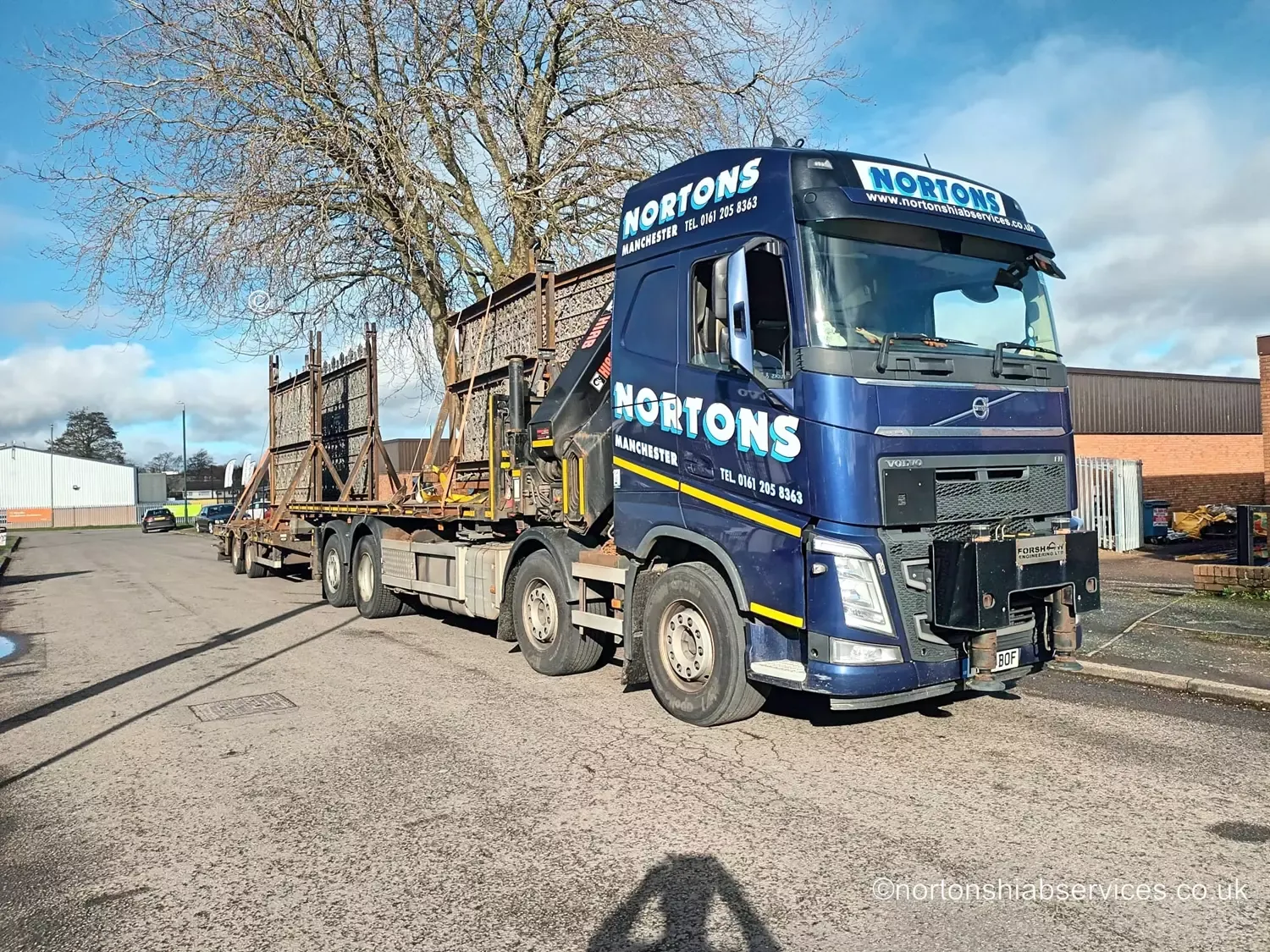
Width of the approach. Not the width of the road on a map. The width between the parked cars, the bollards, the skip and the tree. An eight-wheeler needs a shade over 2.5 metres of body plus mirrors, and mirrors are what actually hit things.
Height on the way in. Bridges, canopies, car park entrances, low branches, and the one everybody forgets, cables crossing a lane at the point it dips.
Somewhere to stand. A flat, level place to set outriggers, with room for the legs to come out. A crane on half its leg spread is a much smaller crane, and on some machines it will simply not permit the lift.
Somewhere to turn. Or a plan for reversing out, which on a long unadopted road with cars on both sides is a genuine consideration and not a small one.
The measurement people forget
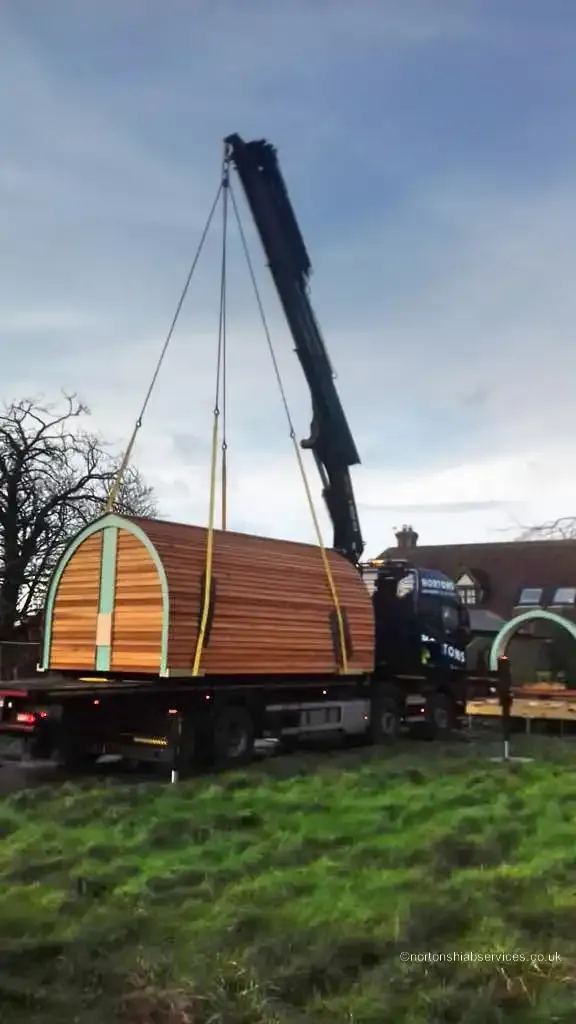
How the load gets from the lorry to where it goes. Everybody measures the gate. Fewer people measure the distance from where the lorry will stop to where the thing lands, and that is the number that decides which crane comes.
What we would rather have than a description
Photographs. Three of them: one standing in the road looking at the property, one from where you think the lorry will stand looking at where the load goes, and one looking straight up. That last one has saved more jobs than anything else on this page.
When the answer is no
Sometimes it is. Ground that will not take an outrigger, a standing position with cables directly overhead, a radius nothing on the fleet will reach. We would rather say so on the phone than send a lorry two hundred miles to find out.
Operated hiab hire · When the reach is the problem · Get a price