Several UK cities operate clean air zones, and more of them cover heavy goods vehicles than cover cars. The mechanism is the same in each: a vehicle that meets the required emissions standard drives in normally, and one that does not either pays or is turned away.
The standard that matters
For diesel lorries it is Euro VI. A Euro VI HGV is compliant in every UK charging zone currently operating. Older vehicles are not, and the difference in daily charge between the two is large enough that it changes who can afford to quote for city work at all.
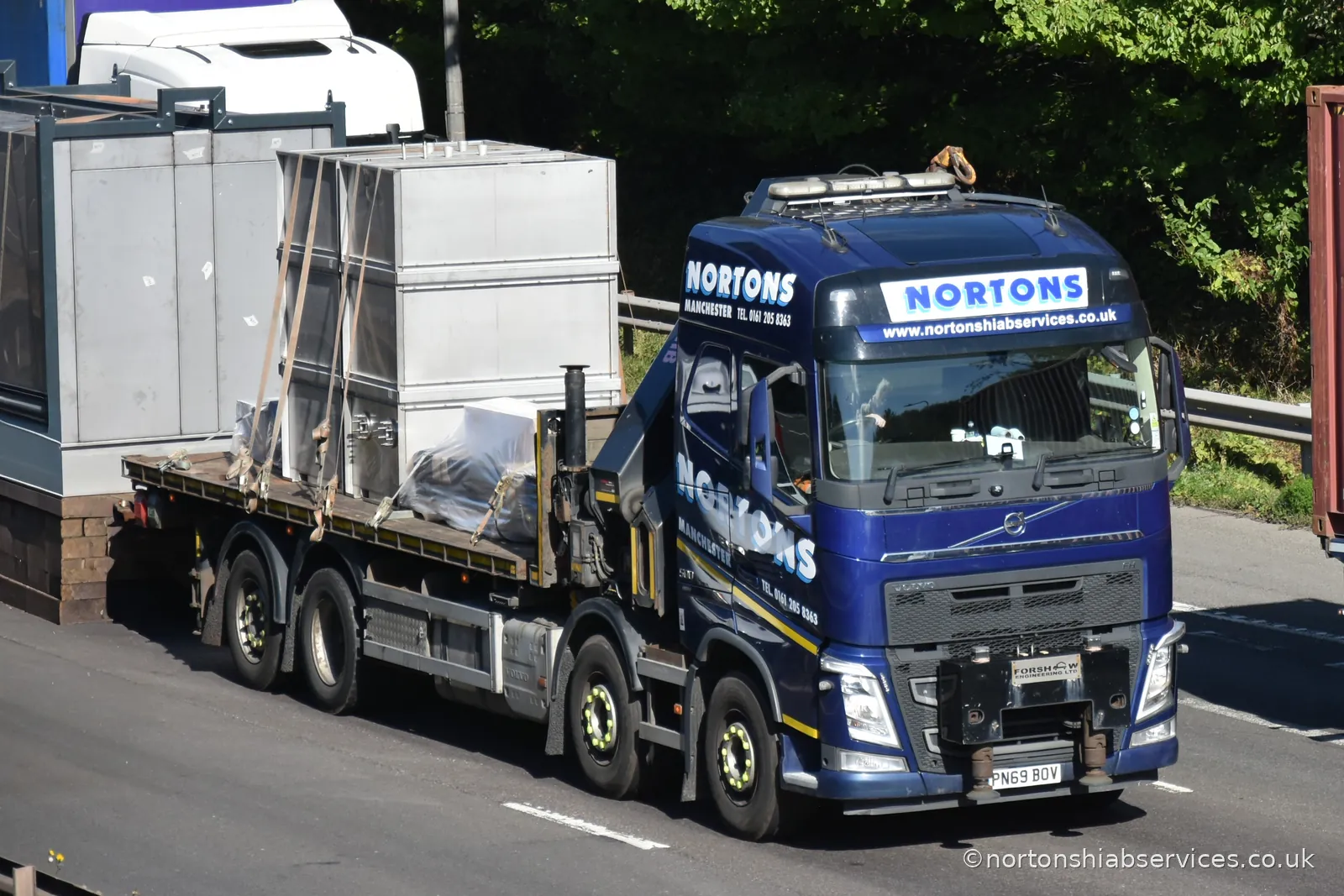
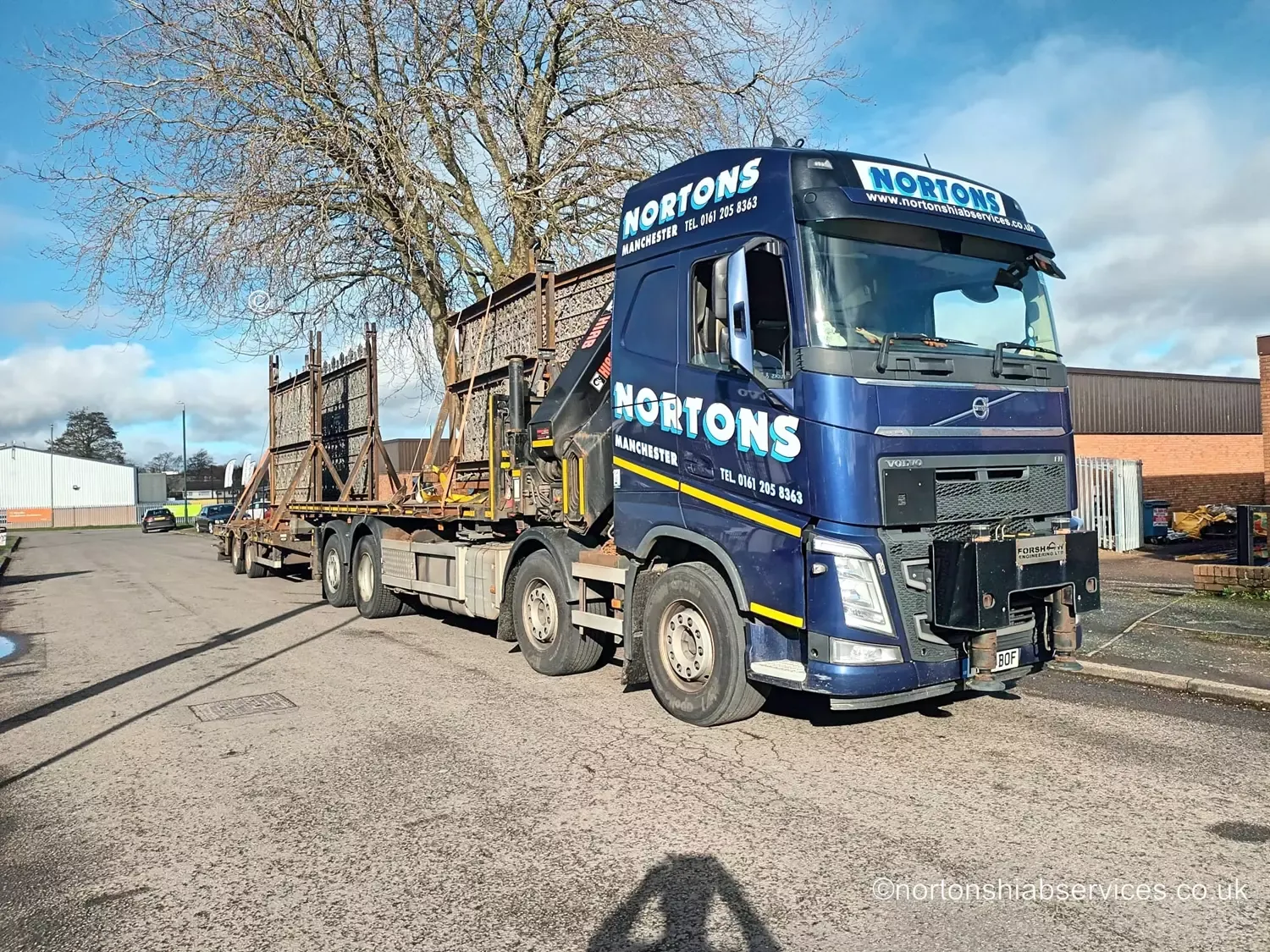
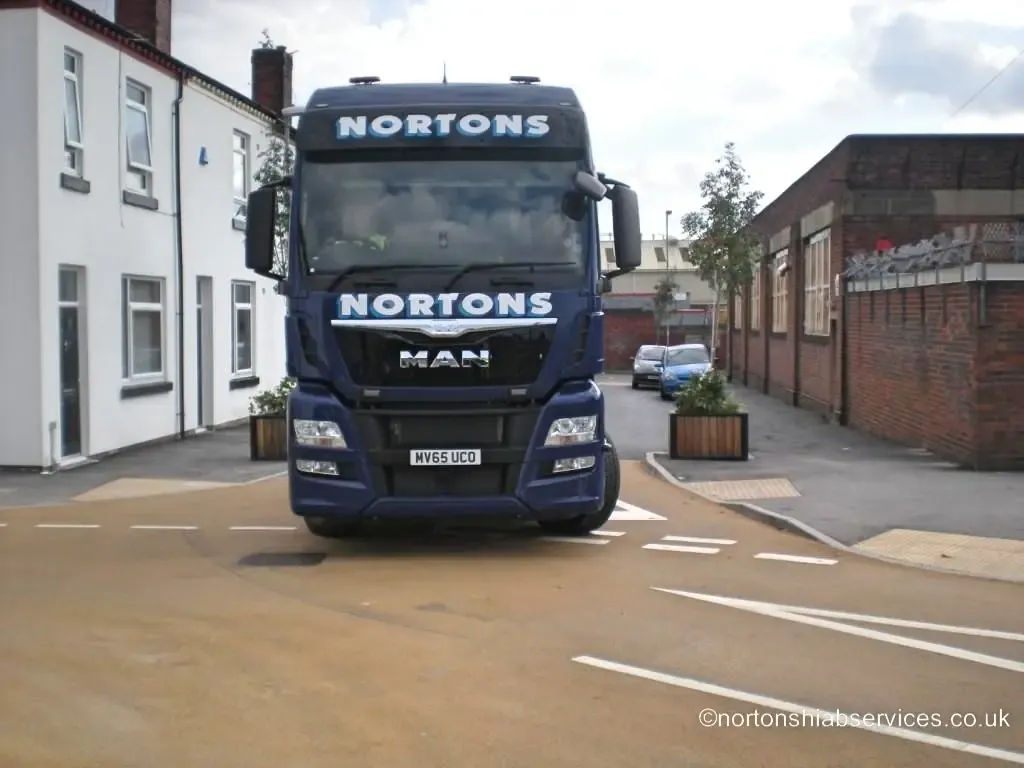
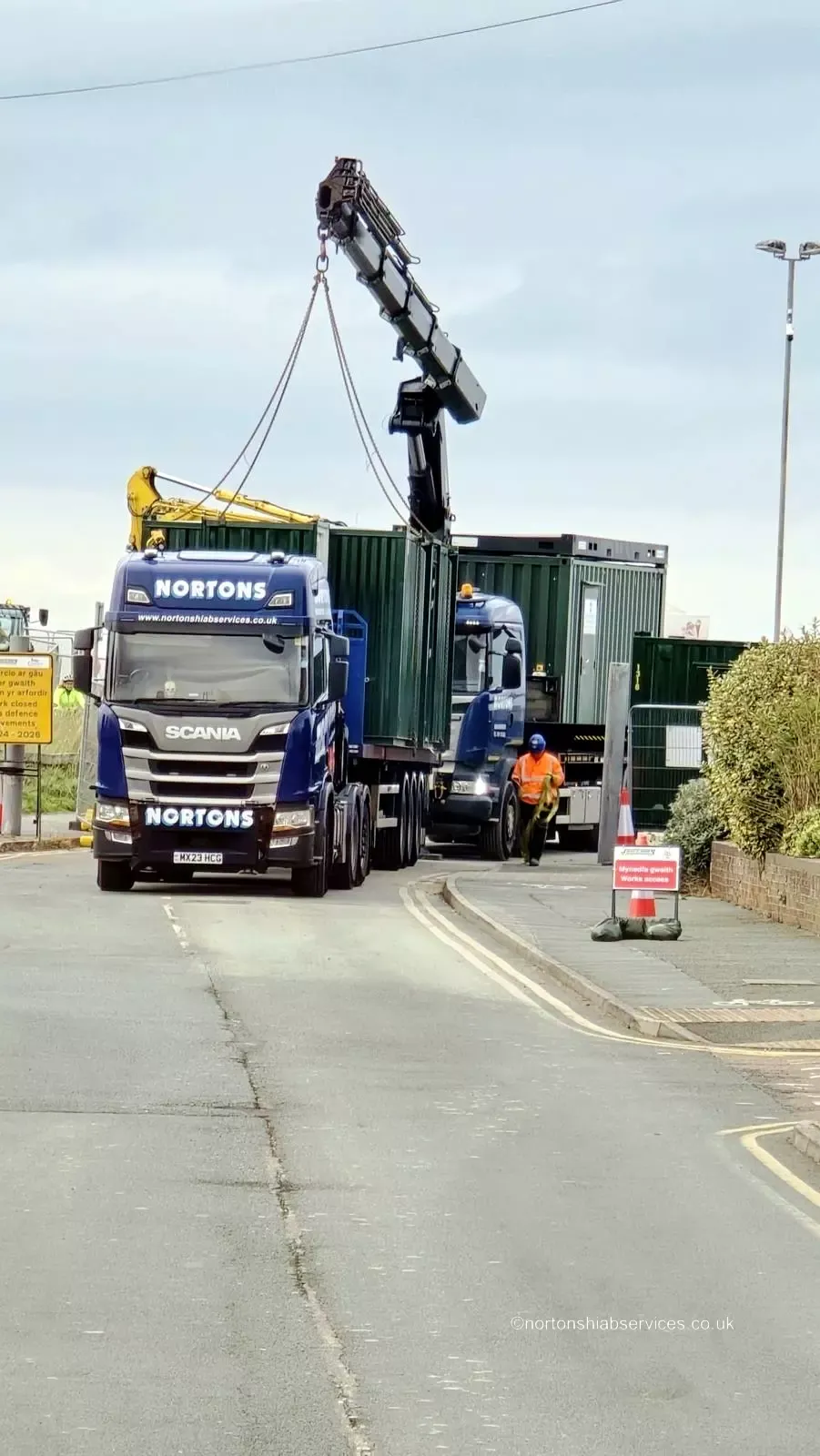
The wagons we take into charging zones are Euro VI. The exception is a 7.5-tonne flatbed on Euro V, and it stays out of them.
Why we are not printing the charges
Because they change, they differ by city and by vehicle class, and a figure copied off a website two years ago is worse than no figure. If your job goes into a zone, ask us and we will tell you what applies on the day.
What this should mean for you
Nothing. That is the point. A compliant fleet means a clean air zone is a routing question we deal with rather than a line on your invoice or a lorry that does not arrive.
It is worth asking any haulier you use, though, and worth asking specifically. "We are compliant" and "our vehicles are Euro VI" are not the same sentence, and the difference shows up on somebody's bill.
The other reason it matters
Increasingly, main contractors ask for it directly. A tier one job in a city centre will often specify the emissions standard of every vehicle coming to site, alongside the other fleet requirements. Turning up with the wrong lorry is a gate refusal, not a charge.
Our clean air zone position in full · The fleet, vehicle by vehicle · Accreditations