Most lorries on British roads run under the Construction and Use regulations, which set the maximum dimensions and weights an ordinary vehicle may have. When a load will not fit inside those limits, the movement runs instead under the Special Types General Order — STGO.
What it is for
STGO is not a permit you apply for. It is a standing set of rules that allows certain over-limit movements, provided you comply with the conditions attached: notification, speed limits, marking, and in some cases escorting.
The categories exist because a 45-tonne movement and a 140-tonne movement should not be governed identically. Higher category, heavier permitted weight, tighter conditions, longer notice.
Where our work sits
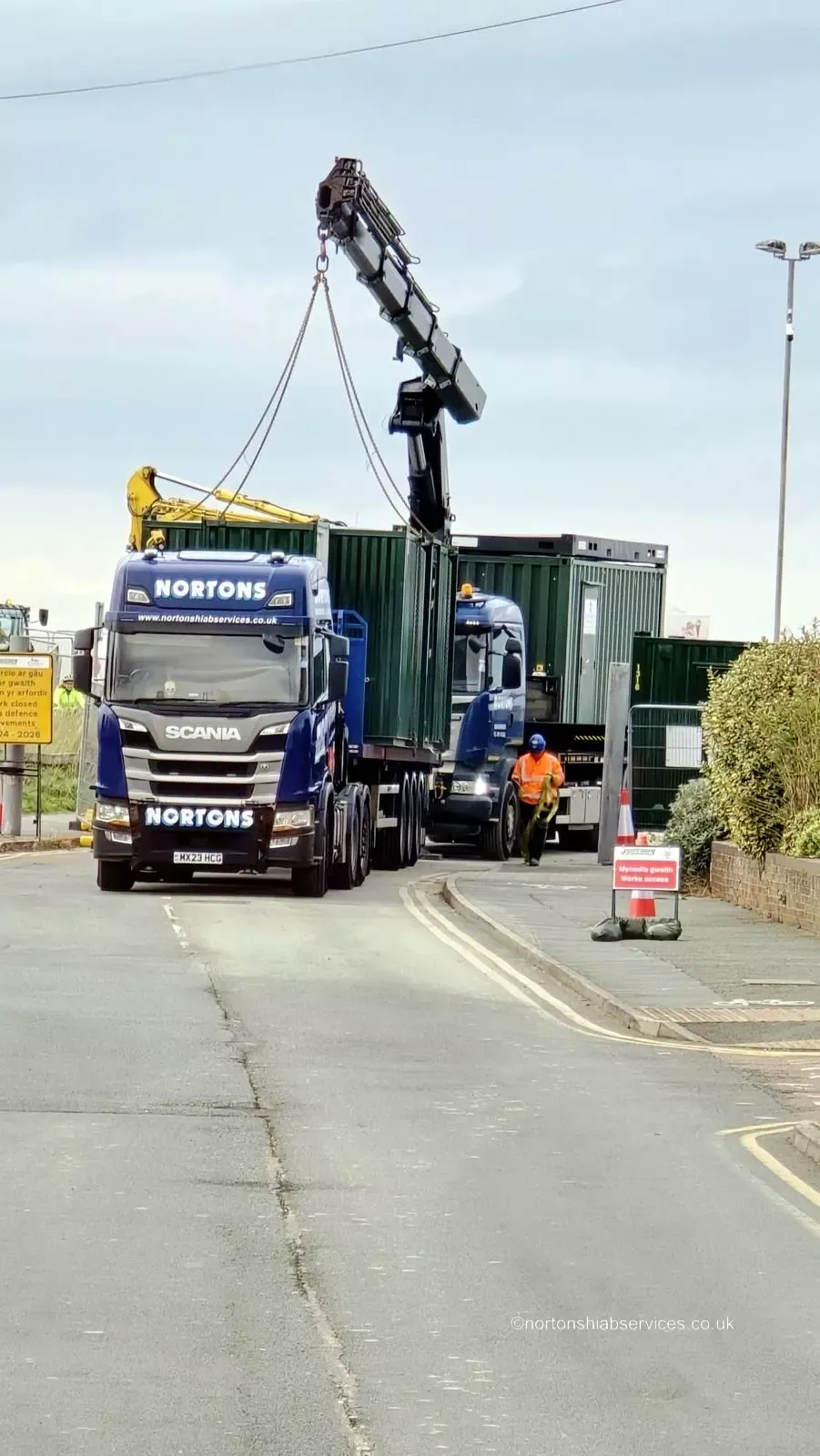
Most of it does not need STGO at all. A container, a cabin, a pod, a piece of plant — these are ordinary loads on an ordinary lorry, and the only thing unusual about them is that we lift them on and off ourselves.
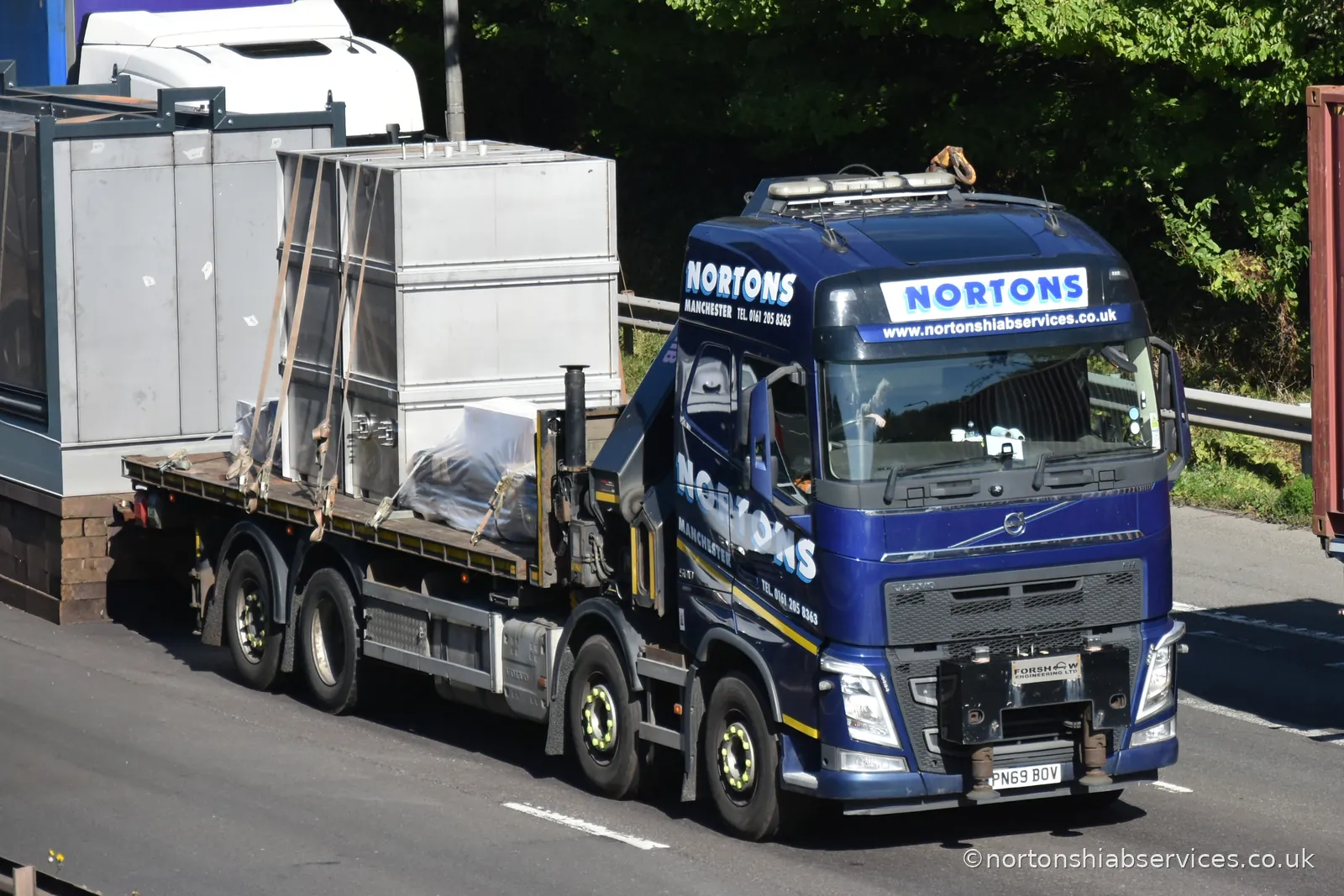
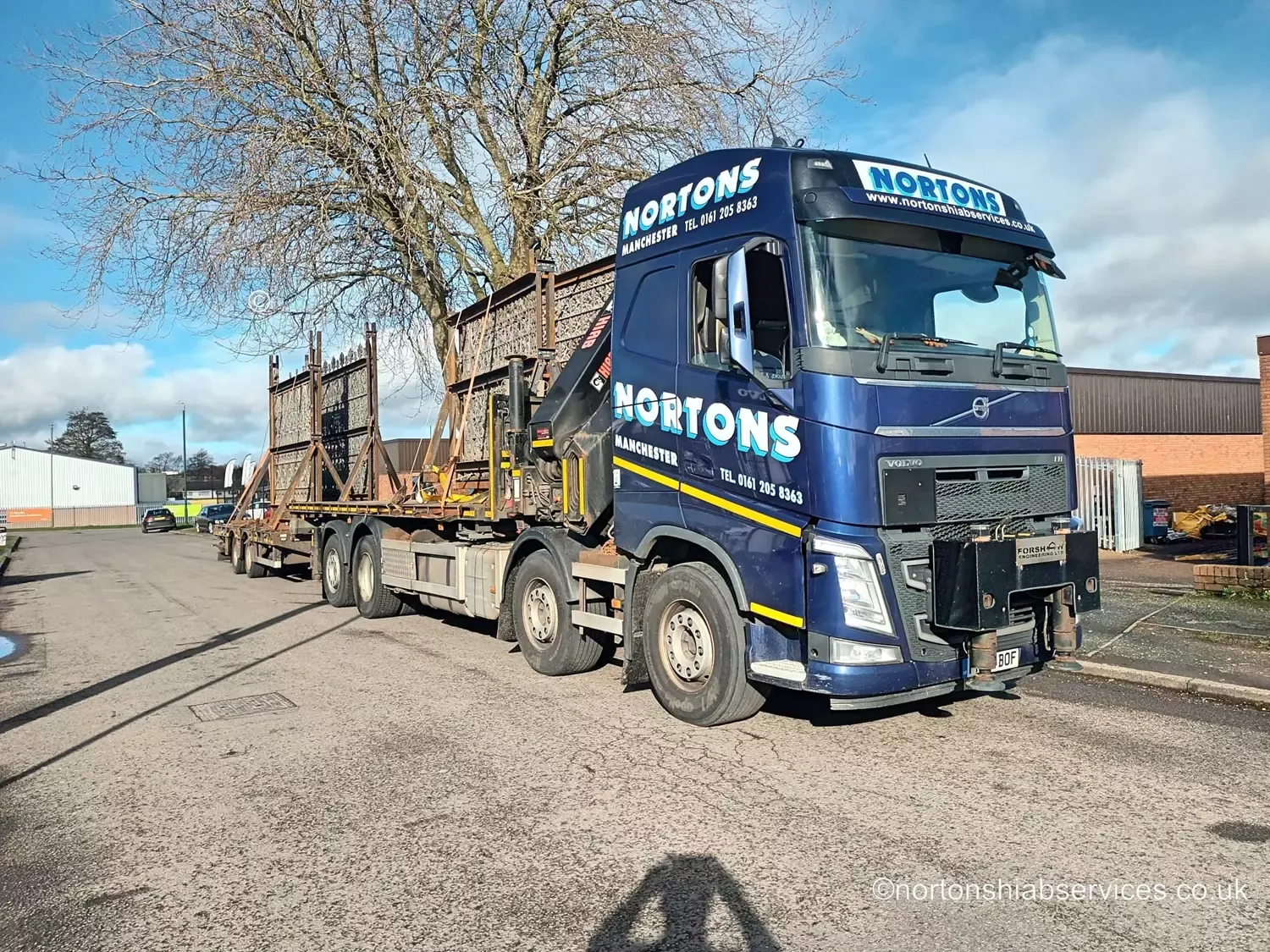
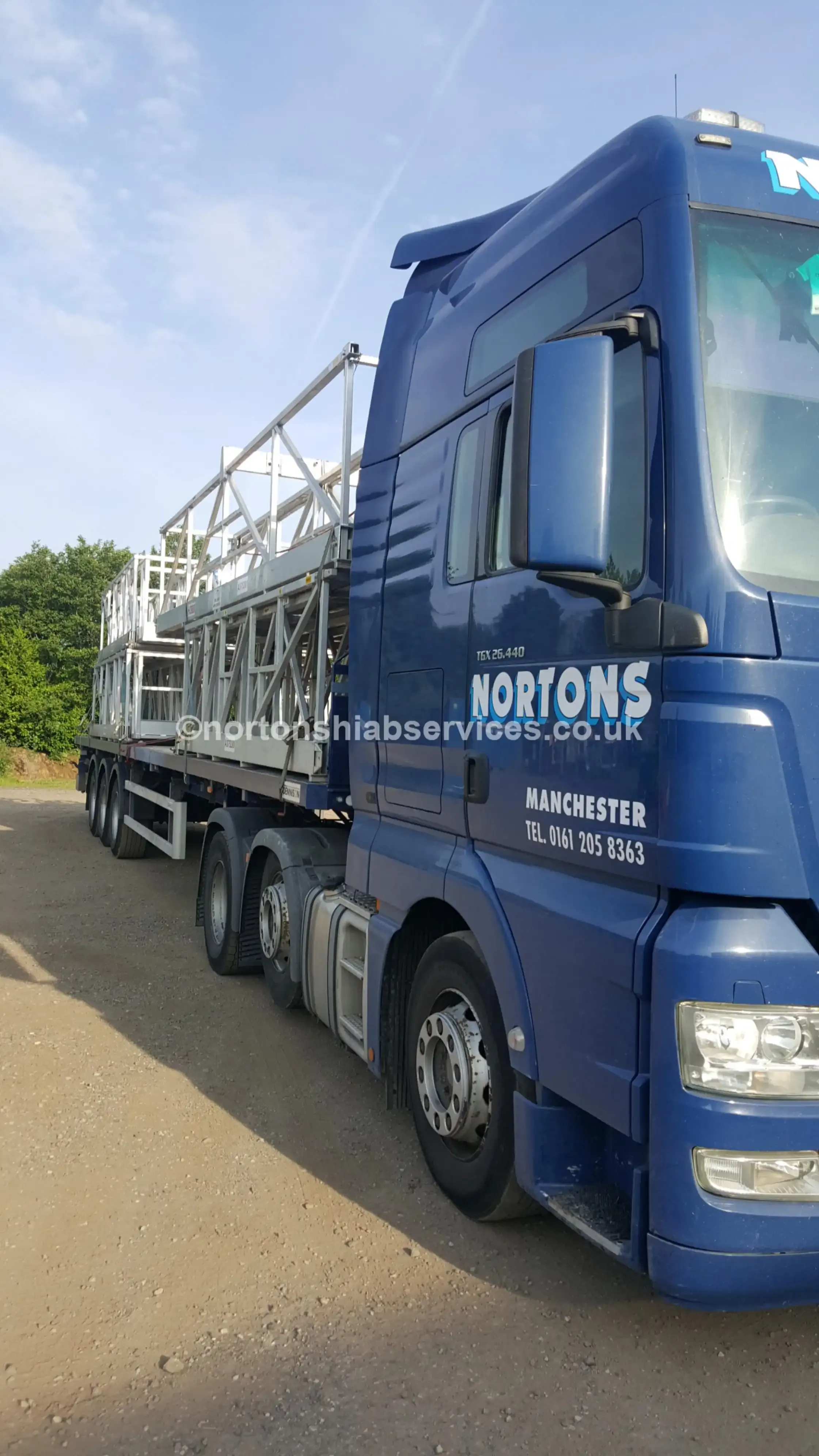
What tips a job over is usually width or length rather than weight. A structure that is three metres wide, or a beam that overhangs the trailer, becomes an abnormal load long before it becomes a heavy one. Then you are into notification, marking and, past a point, escorts.
What that means for you in practice
Three things. It takes longer to arrange. The route may not be the obvious one, because a bridge or a roundabout says otherwise. And the movement may be restricted to particular hours, which cascades into when the crane can be on site at the far end.
Why we would rather know at design stage
Because a hundred millimetres often decides it. If a fabricator can build something 2,900 mm wide instead of 3,100 mm, that can be the difference between a lorry that turns up on Tuesday and a movement that takes a fortnight to arrange. Nobody ever asks us that question early enough.
We hold UK-wide movement orders for wide loads and run our own escort vehicles, so once the paperwork is in the movement is organised in one place.