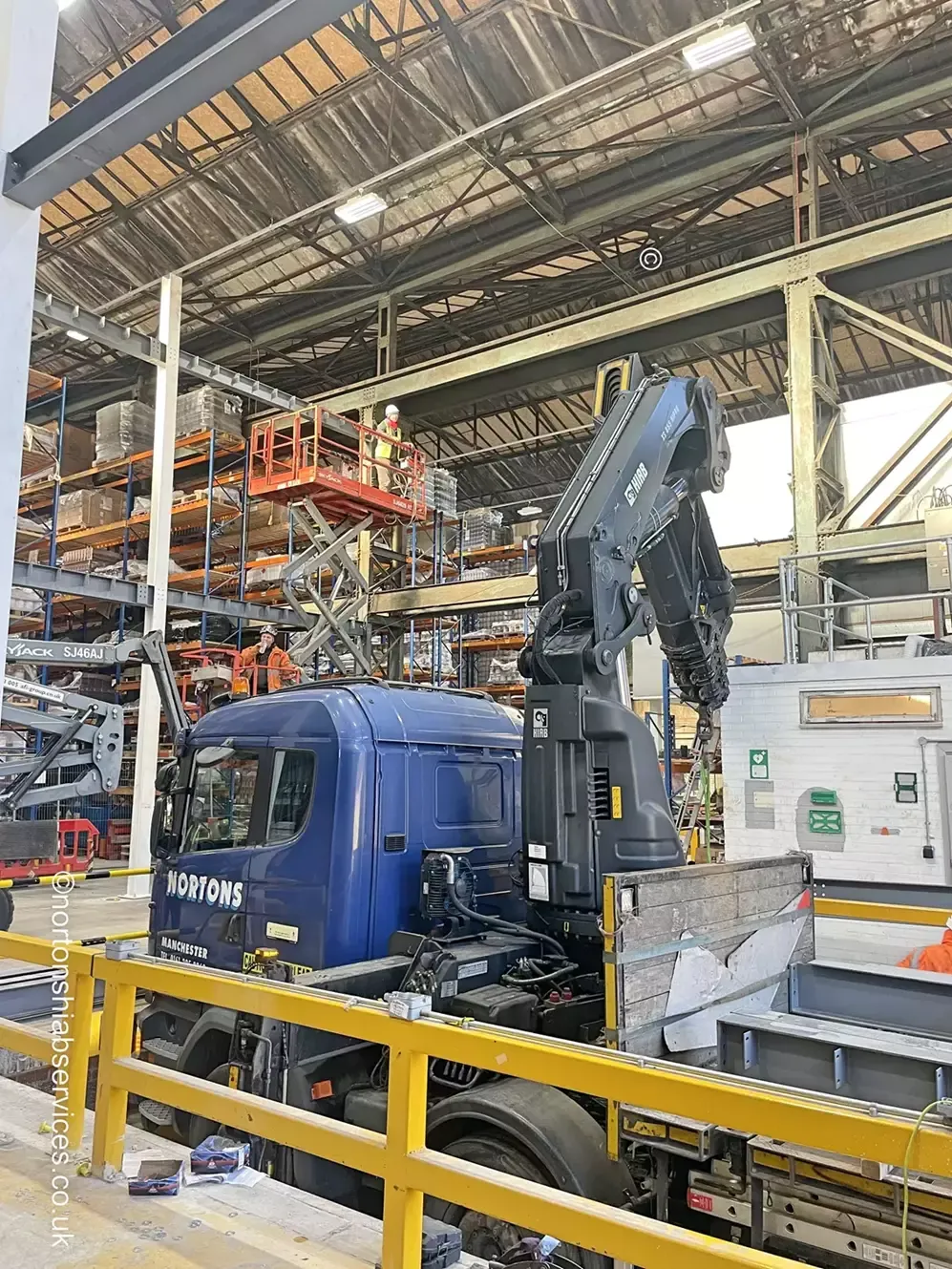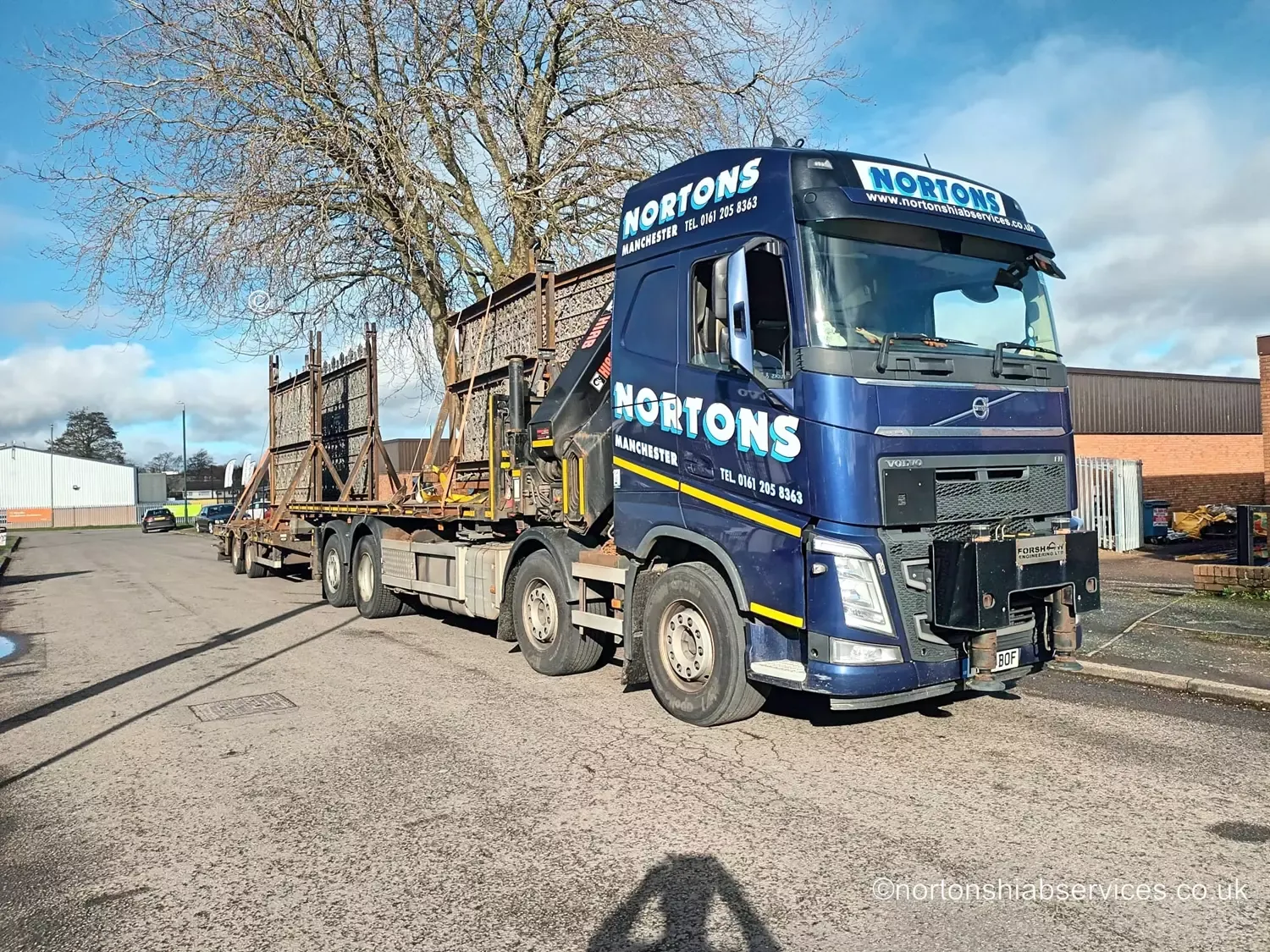
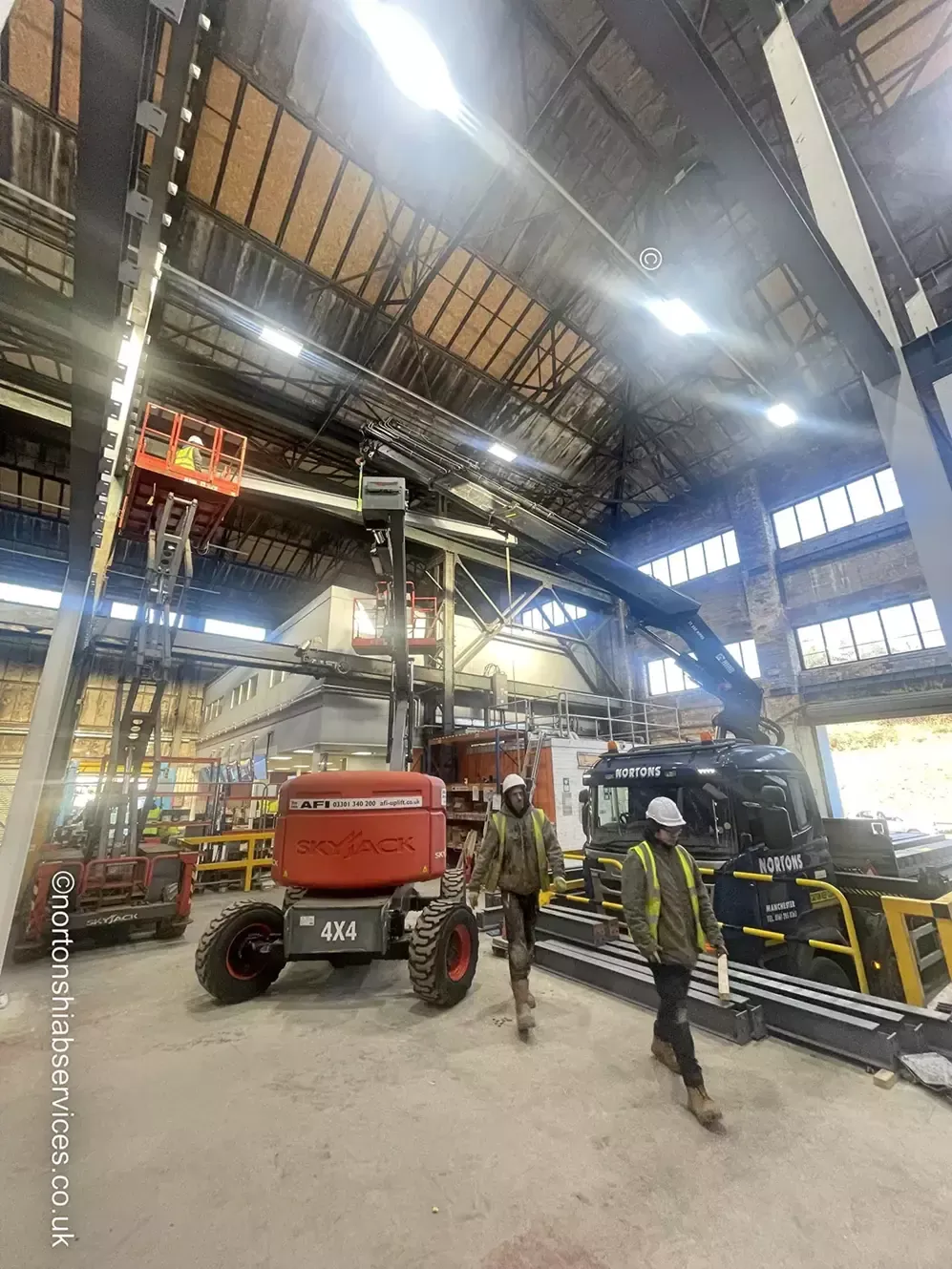
A lorry crane operator stands at a control station on the side of the vehicle. From there he can see the boom, and often he cannot see the place the load is going — because it is over a wall, round a building, or on the far side of the load itself.
The job
The banksman is the operator's eyes. He stands where he can see the landing point and the operator at the same time, and he gives the movements: up, down, slew, extend, stop. One person, one set of signals, agreed before anything moves.
He also owns the exclusion zone. Nobody walks under a suspended load and nobody walks into the area the load could swing into. On a live site with other trades and, often, members of the public, that is most of the work.
The rule that surprises people
If the operator loses sight of the banksman, the lift stops. Immediately, load in the air, no discussion. It is not caution for its own sake — the operator has just lost the only information he has about what is happening at the other end.
So when a site manager walks between the two of them mid-lift and everything freezes, that is the system working.
Radios and hand signals
Both. Hand signals are the standard set and every operator and banksman knows them, which matters when radios fail or when there are two conversations on one channel. Radios come out for longer distances and for lifts round corners. The convention is that hand signals win: if the radio says one thing and the hand says another, the lift stops.
Who provides one
We do, on our own lifts, and our drivers are trained for it. What we ask of a site is that its own people stay out of the zone and that somebody with authority is available if the plan has to change. A banksman cannot also be the person deciding whether the job goes ahead.
Operated hire, with our own crew · How we run a lift · Training and accreditation